



Out-of-home (OOH) advertising plays a unique and powerful role in the customer journey, offering real-world touchpoints that complement both online and offline marketing strategies. Whether it’s a billboard on a morning commute, a transit ad near a favorite lunch spot or a digital screen in a shopping center, OOH meets audiences where they are — both physically and emotionally. As a host of new industry-wide updates bring greater precision and consistency to how OOH environments are defined and bought in 2026, the channel is only becoming more measurable, scalable and effective.
Live: building brand awareness with residential OOH
OOH is uniquely positioned to connect with people throughout their daily routines. In residential neighborhoods, OOH placements — such as bus shelters, grocery store posters and local billboards — do heavy lifting to build trust. These are the spaces where people feel most at ease; seeing a brand repeatedly creates a sense of recognition and reliability.
Technical sophistication is only amplifying OOH’s impact in residential environments. The channel is essentially evolving into a “global operating system” that uses mobility patterns and real‑time signals to make local placements more relevant and measurable. With digital OOH continuing to drive structural investment and dynamic creative becoming a standard practice, brands can truly tailor messaging to neighborhood routines, dayparts and contextual moments, reinforcing the familiarity that community‑based OOH naturally builds.
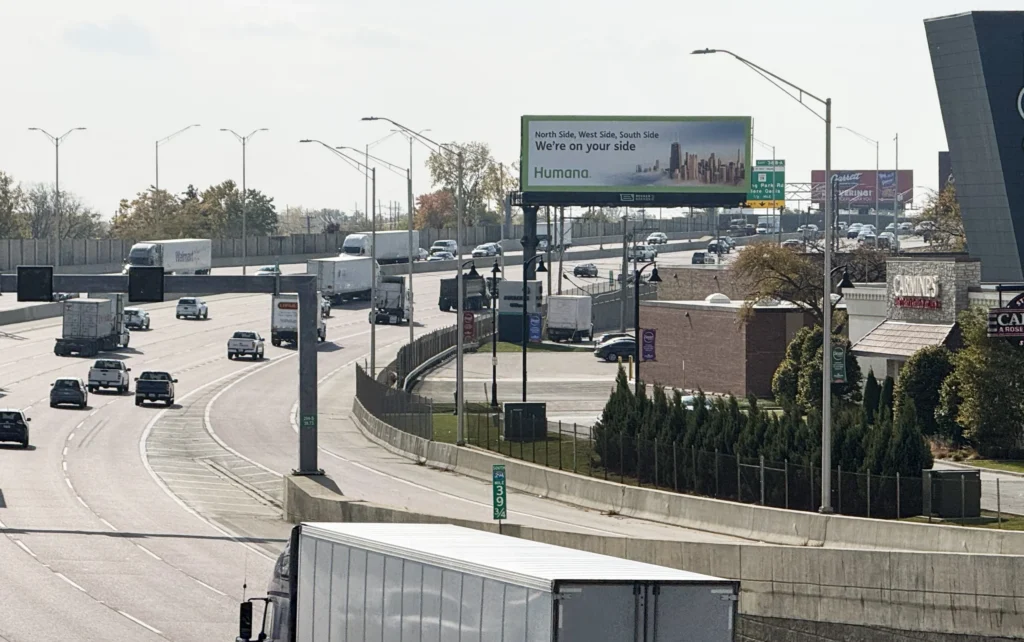
Leveraging Rise’s proprietary data stack, Humana was able to use granular targeting (down to the ZIP code level) to reach customers where they spend most of their day.
Work: reaching professionals with transit OOH
As consumers move into work mode — commuting through transit hubs, walking through business districts or grabbing coffee near the office — OOH becomes a strategic tool for reaching professionals during high-attention moments. These placements influence consideration and drive action, especially when paired with timely messaging or calls to engage digitally.
In 2026, transit formats are becoming even more powerful. Smart screens, real‑time updates and data‑led planning continue to transform buses, metros and stations into dynamic, highly targeted touchpoints for reaching audiences on the move. With commuters spending extended time across predictable routes, transit environments deliver repeated, real-life exposure that digital channels simply can’t replicate. You can skip an ad on your phone, but you can’t skip walking through a full “station domination” brand takeover.
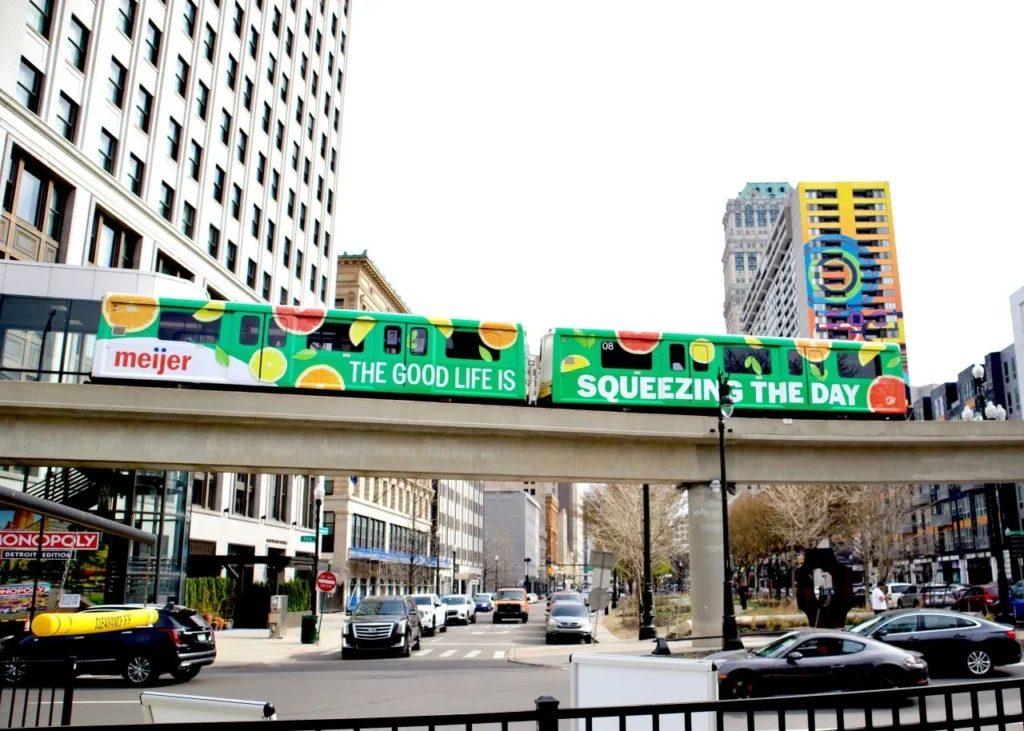
Meijer’s activation in Detroit uses the local elevated transit system to its full potential, reaching rail commuters as well as those in cars, buses or riding bicycles below.
Play: driving engagement with retail and leisure OOH
Shopping centers, entertainment venues, gyms, and restaurants — OOH in these spaces can spark curiosity, drive impulse decisions and reinforce brand presence in a memorable way. By aligning creative and placement with the mindset of the audience, OOH becomes a seamless part of their journey rather than an interruption.
When physical OOH collides with social behavior, there’s a multiplier effect on engagement; research has shown that QR codes and social handles embedded in OOH creative serve as impulse triggers, turning passing glances at a mall display or restaurant screen into a steady stream of quick wins (follows, scans, shares). Brands can bring this strategy anywhere that high-impact visibility meets everyday consumer movement, whether it’s Times Square or the Minneapolis Skyway footbridges. No matter their physical size, these spaces make brands feel big!
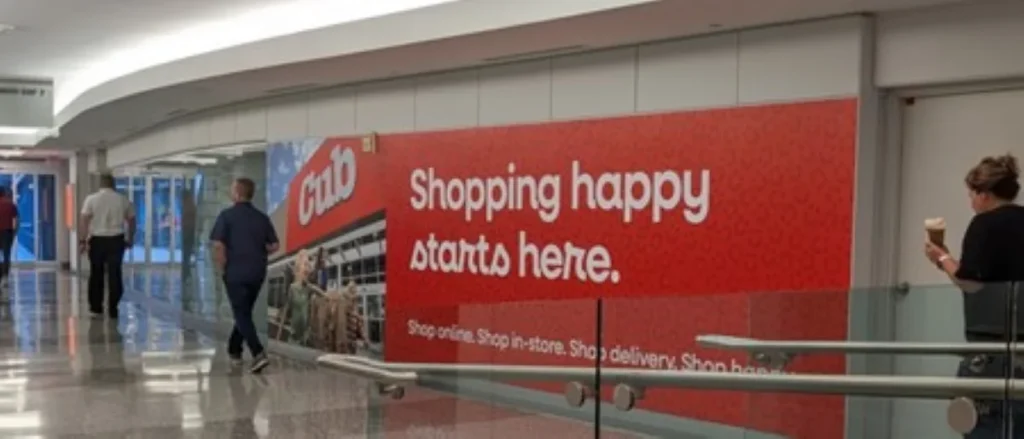
Cub’s campaign in the Minneapolis Skyway — a network of enclosed pedestrian bridges linking the city’s sports stadiums, concert halls and downtown venues — reaches commuters, eventgoers and shoppers across the customer journey.
Bringing it all together: connecting the entire consumer journey
At Rise, we often treat OOH as a strategic layer in omnichannel campaigns for our clients. When thoughtfully placed and creatively executed, this becomes a vital part of the customer journey, bridging the gap between online and offline experiences. As brands seek to connect with audiences in meaningful ways, OOH offers an outlet that’s both strategic and human.
As we move deeper into 2026, OOH advertising continues to stand out as a reliable, high‑performing channel that can drive sales and strengthen overall media ROI. Factor in those new industry advancements in standardization and measurement mentioned earlier, and the takeaway is clear: incorporating OOH into an omnichannel media strategy is only becoming a more powerful lever for brands chasing real, tangible growth.
Want to learn more and continue the conversation? Rise can help.