



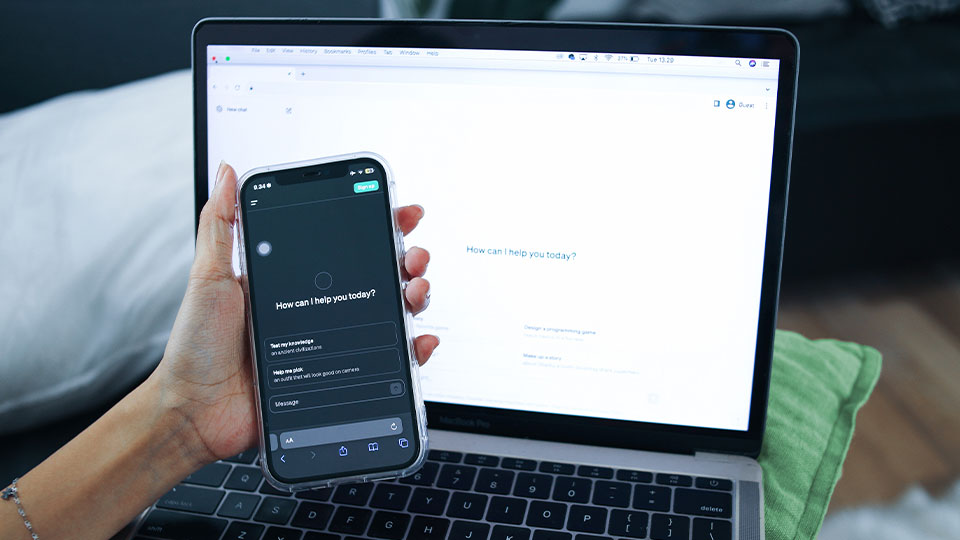
It’s official. ChatGPT ads are coming soon. OpenAI says it will begin limited testing of ads in the U.S. in the coming weeks for logged-in adults on free and new-to-the-U.S. ChatGPT Go tiers, with ads clearly labeled, separated and shown at the bottom of answers when relevant.
This is, of course, not the first time we have watched a platform prepare a new ad business, but it is meaningful because ChatGPT has touched so many consumer habits, from research to learning to decision-making to everyday tasks. Also, OpenAI hit pause on advertising initiatives at the end of November 2025 — as CEO Sam Altman pushed teams to focus on ChatGPT quality, reliability, speed and personalization — which makes this return to ads feel deliberate.
Rise’s Natalia Horst, Group Director of Business Process Development, and Alma Lopez, Associate Director of Print Media, had an in-depth conversation to start to make sense of these developments — and to help figure out what they mean for users, advertisers and agencies in 2026:
What’s your initial reaction to ChatGPT ads and the new subscription tier?
Natalia: ChatGPT ads along with a more affordable subscription tier — ChatGPT Go is priced at $8 per month — feels like a real coming-of-age moment for their business model. The Go tier is built for everyday users who want more access without jumping straight to the top plan. And because AI is expensive to run, OpenAI needs a model that can scale; even Microsoft, OpenAI’s biggest partner and investor, has been calling out the cost and community pressure surrounding AI data centers.
Alma: I can see how the implementation of ads could be beneficial to brands/advertisers; this launch creates yet another opportunity to create connection and deliver a more focused ad. But what about consumers who rely on ChatGPT for everyday use, like personal tasks, such as asking questions related to an upcoming trip or ideas for an upcoming dinner? How will they perceive “ad interruption?” OpenAI has secured its core consumer base with a consumer-first approach.
How do you think these new products will be received by ChatGPT users?
Natalia: Most people see ads everywhere, so ads in ChatGPT probably won’t feel shocking. What matters is whether they feel useful or annoying. If ads stay clearly labeled or come with a clear opt-in, and don’t influence what ChatGPT says organically, most users will accept them as the trade for broader access. The Go tier matters too, because hitting a cap mid-task on the free tier breaks the flow. A low-cost $8 plan smooths that out and supports the steady usage an ad model needs.
Alma: With ChatGPT expanding their free tier and rolling out the low-cost tier, it’s not hard to imagine more people jumping in. The interesting question will be if the new features pull a casual or new/curious user to be more actively engaged. This type of model isn’t new, of course. Streaming services have long used similar tiered approaches, where people often start with a cheaper plan and upgrade once they realize how much they use it. ChatGPT may see the same trend as users try the low-cost tier and eventually move up.
ChatGPT provided some early previews of what the ads may look like. What is your reaction and how do you think these ad experiences will evolve?
Natalia: OpenAI’s preview looks pretty conservative. It’s a contextual, shopping-style sponsored placement under the answer, clearly labeled and kept separate from the organic response. That’s a familiar starting point, and it’s similar to how other answer products monetize, including Google, where ads can show up above, below or within AI Overviews. The bigger clue for what may come next is who’s leading it: Fidji Simo now runs Applications at OpenAI, and with her Meta and Instacart background, I’d expect ads to move past simple links into more measurable, commerce-friendly formats. Over time, the most interesting version would be ads you can act on inside the chat, like “build your cart with Brand X” or “shop this list at Brand Y.” I could also see sponsored, branched chats that let you go deeper on a topic or complete a task with a brand as a clear, opt-in next step.
Alma: One example ChatGPT offered was a grocery list based on what the user was searching for, and another one suggested places to stay for a possible upcoming trip. Honestly, this feels like a low-risk but highly relevant way to introduce ads without disrupting the user’s experience. The ads did not appear to be random but fit naturally into the conversation that could help the user move forward with their search. I expect this to open the door for a more conversational, personalized kind of advertising.
What do you think OpenAI’s announcements mean for how the platform will evolve?
Natalia: These announcements are clearly aimed at everyday consumers. They also signal ChatGPT is trying to move from being a research tool to a platform that helps users take action. Clearly labeled ads can be one step, but I think the bigger shift we will see more of is more in-chat actions that connect to services. Instacart is a great early example: You can brainstorm a recipe and then select their ChatGPT app to add ingredients to your Instacart cart without leaving the chat. Again, the fact that ad testing at OpenAI sits under its Applications division tells me integrations and experiences will continue to be a real priority.
Alma: ChatGPT will likely always have users who stick with the free or low-cost tiers, meaning ads will remain part of their customer experience. I expect those ads to continue to expand the way they reach customers in more personalized ways within their search. However, it’ll be interesting to see if their growth could influence the way OpenAI handles data in the future.
How should marketers prepare for the arrival of ads in ChatGPT?
Natalia: Advertisers need to pay attention, be ready to test and not overreact. Details are still limited, so brands should be on the lookout for OpenAI’s updates and watch for formal beta access. I wouldn’t assume this rewrites media plans overnight, since ChatGPT is still closer in size to a single platform like Spotify or Snapchat than a full “Meta plus Google” replacement. Brands should plan for a search-style CPC or CPM auction buying experience, with AI-managed targeting similar to what we’re seeing on Google and Meta. Early volume will likely be limited, so expect higher costs and some volatility, and make sure product info, proof points and next steps are tight.
Alma: To effectively advertise on ChatGPT, brands won’t just be competing for attention; they’ll need to prove real usefulness. That means rethinking their content and deciding whether this platform fits their strategy.
How is Rise preparing clients for the launch of ads on ChatGPT?
Natalia: At Rise, we routinely run multichannel programs for clients, so we have diverse experiences across all kinds of platforms and can help brands navigate complexity. We know CPC and CPM auctions, but we can also help brands navigate the bigger shifts when a platform matures. If ChatGPT ads evolve into interactive, in-chat actions and sponsored “next steps,” this will start to look a lot like retail media and creator ecosystems, with a mix of auctions, sponsorships and integrations. That means navigating affiliate-style relationships, negotiating packages and building measurement frameworks that show what is truly incremental. We can help brands test with discipline and design integrated experiences where usefulness and a smooth path from discovery to action matter most.
Alma: OpenAI’s approach is clear: No selling user data, answers must stay user-focused, and personalization stays in the user’s control. Given all that, at Rise we’re thinking about and positioning ChatGPT ads differently for now; for instance, OpenAI probably won’t be able to promise predictable spend or typical platform guarantees. Early on, the real value will be helping clients craft messages that feel natural in a conversational setting. The opportunity is to guide brands to create intentional, genuinely useful experiences. It’s less about placing ads and more about making the message feel relevant and like a natural next step toward a purchase.
Want to learn more about ChatGPT ads and continue the conversation? Rise can help.